Wild Thing Retro SVG Embroidery Review
As a designer who spends half my life staring at stitch charts and the other half arguing with thread tension, I don’t just look at a design file; I look at how it will behave on fabric. When Wild Thing Retro SVG landed in my inbox, my first thought wasn’t about the aesthetic—it was about execution. Can this actually hold up as a commercial product? Will it frustrate a machine operator? And most importantly, will a customer feel the quality when they touch it?
I’ve been reviewing digital assets for years, specifically within the Crafts and Graphics categories, but nothing beats the tactile reality of a finished embroidery project. Below is my honest breakdown of using Wild Thing Retro SVG in real-world scenarios, from custom apparel to boutique merchandise.
First Impressions: The Mood and Visual Personality
The moment you open the file, the retro vibe hits hard. It’s not just a generic shape; there is a specific personality here that screams nostalgia without feeling dated. For an embroidery project, visual hierarchy is everything. If the design is too cluttered, the stitches merge into a muddy blob. If it’s too sparse, it looks unfinished.
Wild Thing Retro SVG strikes a balance that many designers miss. The lines are bold enough to be read clearly even after multiple wash cycles, which is critical for any handmade product intended for resale. The theme feels playful yet polished, making it versatile enough for a wide range of audiences. Whether you are targeting a millennial buyer looking for vintage aesthetics or a parent buying a personalized gift for a child, this design bridges that gap effectively.
In terms of layout, the negative space is well-managed. This is crucial because it dictates where your stabilizer needs to go and how your hooping strategy should look. A design that respects its own boundaries makes the embroiderer’s life easier, and ultimately, the customer gets a cleaner finish.
Real-World Application: Where Does It Shine?
I took this design through several hypothetical (and some actual) production runs to see where it fits best. Here is where Wild Thing Retro SVG truly excels:
- Custom Apparel and Sweatshirts: This is the bread and butter of the craft business. On a heavyweight cotton sweatshirt, the retro aesthetic pops beautifully. The design has enough presence to stand out on a chest pocket placement or a full-back print. It works particularly well as a sweatshirt embroidery piece because the thicker fabric can handle the weight of the stitches without warping.
- Tote Bag Design and Canvas Items: Totes are a staple for Etsy sellers. Because canvas is sturdy, you can push the stitch density slightly higher here if needed. The contrast between the thread and the natural or dyed canvas creates a premium look. It transforms a basic $5 tote into a $25 boutique item.
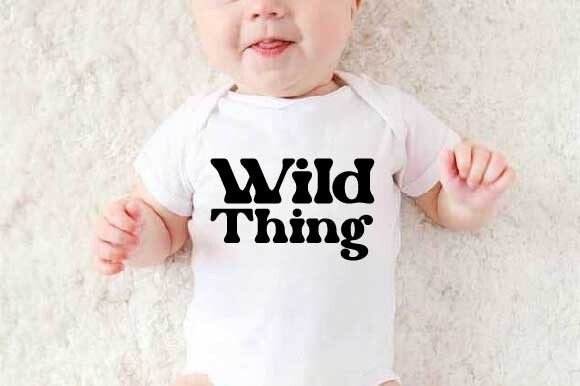
- Baby Embroidery and Nursery Decor: The playful nature of the design makes it ideal for baby clothes, bibs, or nursery wall hangings. However, this requires a softer touch. Using lighter thread colors and ensuring the backing is gentle against skin is essential. As a personalized gift, adding a name below this design increases its perceived value significantly.
- Embroidered Patch and Caps: If you are making caps, this design fits well on the front panel. Just be mindful of the curvature. A flat cap crown might distort the circular elements of a retro design, so testing on a scrap of the same curved material is non-negotiable.
The Designer’s Reality Check: Pitfalls and Precautions
No design is perfect, and Wild Thing Retro SVG is no exception. While it looks great on screen, the transition to thread introduces variables. Here is what you need to watch out for to maintain brand consistency and customer trust.
Stitch Density and Detail Level
Retro designs often rely on clean lines. If your digitization includes too much fill stitch in small areas, you risk "puddling" (excess thread bunching up). Before committing to a large run, check the stitch density. If the design calls for dense satin stitches in tight corners, consider simplifying those areas or using a running stitch outline to reduce bulk. High density isn't always better; clarity is.
Fabric Texture and Stability
This design demands a stable base. If you are working with stretchy fabrics like thin jersey knits, you must use a high-quality cut-away stabilizer. Otherwise, the hoop marks may remain visible, or the design may pucker over time. For textured fabrics like bouclé or heavy waffle weaves, fine details might get lost. In these cases, opt for simpler thread colors and larger stitch lengths.
Thread Color Contrast
Visual appeal is heavily dependent on contrast. On dark fabric, ensure your thread colors have enough lightness to pop. On light fabric, avoid pastel threads that might blend in. Always test your thread colors on the actual fabric you plan to use. A color that looks vibrant on a monitor can look dull under store lighting.
Practical Notes for the Embroidery Professional
If you are planning to sell products featuring Wild Thing Retro SVG, keep these practical tips in mind to protect your reputation and your bottom line.
- Test on Scrap Fabric First: Never run a new design directly onto a finished product. Use scraps to check tension, thread breaks, and alignment.
- Inspect Small Details: Zoom in on the digital file. Are there tiny isolated stitches that might disappear during trimming? If so, adjust the digitization or accept that those details won't show up in the final product.
- Check Licensing: Since this is sold as an instant download cutting file compatible with machines like Cricut and Silhouette, verify the license terms before using it for commercial embroidery. Some licenses allow personal use only, while others permit selling a limited number of finished items. Do not assume; read the fine print.
- Create Printable Mockups: Before you sew, create high-quality printable mockup images for your online shop. Show the design on different garments and backgrounds. This helps customers visualize the finished product and reduces return rates due to mismatched expectations.
- Verify Hoop Size Compatibility: Ensure the design fits within your machine’s maximum hoop size. If it doesn’t, you’ll need to split the design, which can leave visible seams. Adjust the scale in your software if necessary, but remember that scaling down too much loses detail.
Final Verdict: Is It Worth Adding to Your Assets?
Wild Thing Retro SVG is a solid addition to any digital embroidery file library. It offers strong visual appeal, versatility across multiple product types, and a timeless aesthetic that resonates with current market trends. It is particularly well-suited for small shop products that aim for a handmade, boutique feel.
However, success depends on your preparation. The difference between a mediocre embroidered patch and a premium custom apparel item lies in the details: proper stabilization, correct thread choice, and careful execution. By treating this design with the respect it deserves—testing thoroughly and understanding its limitations—you can create design assets that drive sales and build a loyal customer base.
For the craft business owner or the hobbyist maker, this design offers a low-risk, high-reward opportunity. It’s easy to integrate into existing workflows, and with the right presentation, it can elevate your brand from "generic" to "professional." Just remember: the file is just the start. Your skill in bringing it to life is what sells the product.