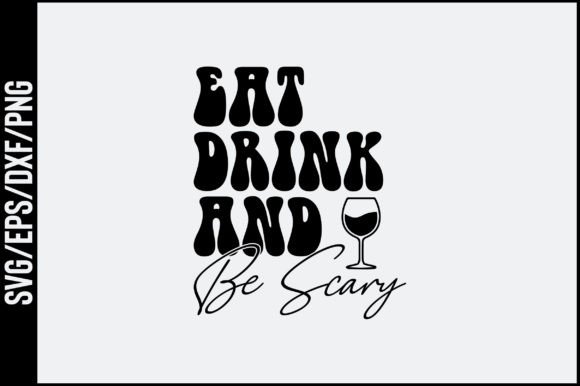
Eat Drink and Be Scary Retro Svg Design
When I sit down to evaluate a new digital asset for my embroidery studio, I am rarely interested in just how "cute" it looks on a screen. My primary concern is always practical: will this hold up when stitched? Will it translate well across different fabrics and hoop sizes? And most importantly, does it have the visual weight to justify a premium price point for my handmade product line? Today, I’m putting Eat Drink and Be Scary Retro Svg Design through its paces with that same critical eye. This isn't just another seasonal clipart file; it’s a potential cornerstone for a Halloween-themed collection, but only if we understand exactly what we are working with.
First Impressions and Visual Personality
The moment you open the files included in this download—SVG, EPS, DXF, and PNG—you are greeted by a design that leans heavily into vintage aesthetics without sacrificing modern clarity. The phrase "Eat Drink and Be Scary" carries an inherent energy. It is playful, slightly mischievous, and undeniably festive. For an embroidery designer, the challenge with text-based designs is always legibility. If the curves are too tight or the lettering too thin, the stitching can become muddy, especially when using standard polyester threads.
Visually, this retro motif feels balanced. It doesn’t scream for attention with chaotic elements; instead, it invites the viewer in with a confident, classic layout. The mood is nostalgic, reminiscent of mid-century diner signage mixed with classic horror tropes. This specific blend makes it incredibly versatile. It works equally well for a high-end boutique gift shop as it does for a casual craft fair booth. The design assets provided offer enough resolution and clean vector paths to ensure that when we cut applique pieces or digitize the lines, we aren’t fighting jagged edges or ambiguous shapes.
Real-World Application: From Screen to Stitch
Let’s talk about where this machine embroidery design actually shines. In my experience, the best embroidery project ideas come from matching the design’s vibe to the right substrate. For Eat Drink and Be Scary Retro Svg Design, my immediate thought goes to heavy cotton canvas tote bags. There is something inherently satisfying about stitching a bold, retro graphic onto a sturdy bag that people will carry around all autumn long. The contrast between the rugged fabric and the precise satin stitch outlines creates a professional finish that signals quality to the end buyer.
Beyond totes, this design is a strong candidate for custom apparel. Imagine a crewneck sweatshirt in a deep charcoal or heather grey, featuring this design centered on the chest or pocket area. The retro theme pairs beautifully with the cozy texture of fleece or French terry. However, you must be mindful of the stitch density. If you are planning to fill large areas of this design, ensure your digitizer has optimized the underlay stitches to prevent puckering. A poorly stabilized sweatshirt front will look unprofessional, regardless of how great the source file is.
I also see significant potential here for personalized gifts and small business merchandise. Think about embroidered patches for denim jackets or backpacks. The compact nature of many retro designs allows them to fit perfectly within standard patch hoops. Furthermore, for Etsy sellers looking to expand their inventory, this fits seamlessly into categories like holiday embroidery, nursery decor (for parents with a sense of humor), and even baby embroidery items like muslin swaddle blankets, provided the scale is adjusted appropriately. The versatility of having both vector formats (SVG/EPS) and raster previews (PNG) means you can easily create printable mockups for your online store, allowing customers to visualize the final product before they buy.
Where Caution Is Required
No design is universally perfect, and Eat Drink and Be Scary Retro Svg Design is no exception. There are specific scenarios where this file might struggle if not handled with care. First, consider small hoop sizes. If you attempt to stitch this at a very small scale, fine details may disappear into the thread mass. Always inspect small details closely when resizing. If the text becomes too narrow, the running stitch or delicate accents might break during the trimming process.
Fabric choice is equally critical. While this design looks great on stable cottons, it can be risky on stretchy knits or highly textured fabrics like bouclé or heavy waffle weave. On stretchy materials, the tension needs to be perfectly calibrated to avoid distortion. Similarly, dark fabrics require careful thread color selection. If the design relies on subtle shading or light-colored highlights, they may get lost against a black background unless you use high-quality, opaque threads. I strongly advise testing the design in black and white mockups first to check contrast levels before committing to expensive thread colors.
Technical Notes for the Serious Designer
As someone who reviews these files for commercial viability, I need to address the technical reality. The product description notes that the download includes SVG, EPS, DXF, and PNG formats. This is excellent for versatility, allowing you to use the SVG for cutting vinyl or applique backing, while potentially using other formats for reference. However, it is crucial to remember that these are likely graphic files, not necessarily pre-digitized .PES or .DST machine files, unless specified otherwise by the creator. If you are using these as a basis for digitizing your own applique design or creating a new digital embroidery file, you must manage your expectations regarding stitch count and machine compatibility.
If you are planning to sell finished items, you must confirm the licensing terms. Does the purchase allow for commercial use of the physical products you create? Can you sell unlimited quantities? These questions are vital for any craft business owner. Do not assume that owning the graphic file grants you the right to mass-produce and sell embroidered goods. Always review the license agreement included with your download.
Before adding this to your production queue, I recommend a rigorous testing phase. Use scrap fabric that matches the weight and stretch of your final product. Apply the appropriate stabilizer—cut-away for stretchy fabrics, tear-away for wovens—and run a test stitch. Check for thread breaks, puckering, and overall clarity. Compare the result against light and dark fabric backgrounds to ensure the design maintains its integrity. This due diligence protects your reputation as a maker and ensures that every finished product leaving your studio meets a high standard of professionalism.
Final Verdict
Eat Drink and Be Scary Retro Svg Design is a solid, marketable asset for designers and entrepreneurs looking to capitalize on the fall season. Its retro charm offers broad appeal, making it suitable for everything from custom apparel to home decor. It is not a one-size-fits-all solution, however. Success depends entirely on your execution: choosing the right fabric, managing stitch density, and respecting the limitations of small-scale stitching. When used correctly, this design can elevate your brand, attract engagement from buyers who appreciate vintage aesthetics, and serve as a reliable seller in your small shop product lineup. Just remember to test thoroughly, verify your commercial rights, and let the quality of your craftsmanship speak for itself.