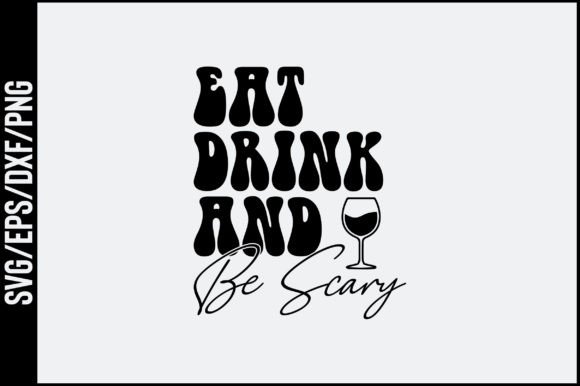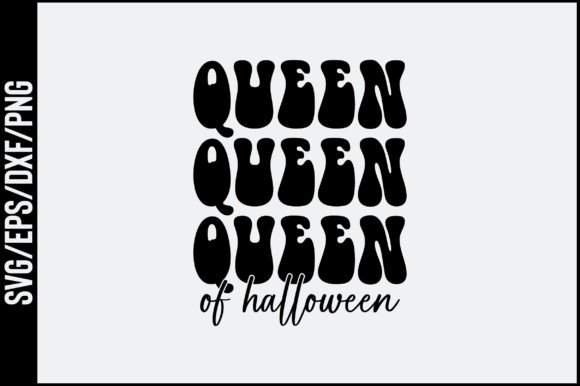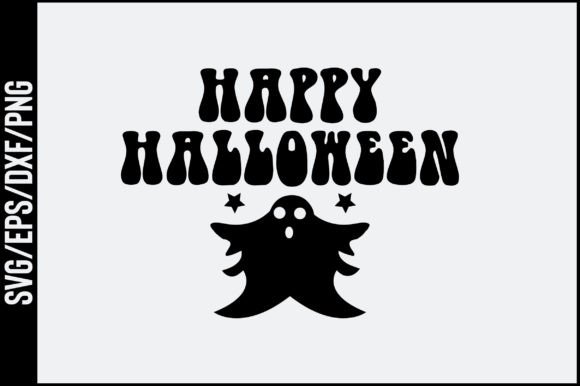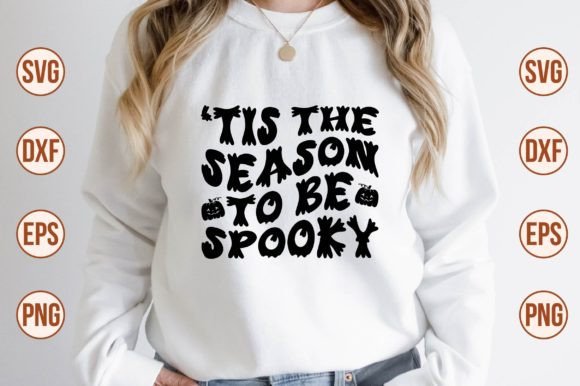
‘Tis the Season to Be Spooky Retro SVG
As a designer who spends half my life staring at stitch density maps and the other half arguing with clients about thread choices, I don’t just look at a design file; I look at how it will behave under the needle. When I first pulled up ‘Tis the Season to Be Spooky Retro SVG, I didn’t just see a holiday graphic. I saw a potential bestseller for the upcoming craft fair season, but also a project that requires careful planning if you want your finished product to look professional rather than amateurish.
This isn’t just another clip-art download. It is a digital embroidery file asset designed for those of us in the Crafts and Graphics niches who need versatile, editable vectors. The fact that it comes as an EPS and DXF file means it is ready for Cricut, Silhouette, Inkscape, Adobe Photoshop, and Illustrator. But for this review, I am focusing on its potential as a machine embroidery design. If you are an Etsy seller or a small business owner looking to add some spooky charm to your inventory, here is my honest take on how this design holds up in real-world application.
First Impressions: Mood and Visual Personality
The name says it all: retro. In the world of seasonal decor, "retro" usually implies warm tones, slightly distressed textures, and a nostalgic comfort that contrasts nicely with the typical gore-and-gore aesthetic of Halloween. This design leans into that cozy, vintage vibe. It feels like something you would find on a 1970s greeting card, which makes it incredibly safe yet appealing for a broad audience.
Visually, the layout is balanced. It doesn’t scream for attention; it invites a closer look. For an embroidery project, this is crucial. High-contrast, busy designs often get lost in the stitching process, especially when using standard polyester threads. The retro theme suggests cleaner lines and perhaps larger blocks of color, which translates well to fill stitches and satin borders. It creates a mood that is festive without being aggressive, making it perfect for households that celebrate the season but prefer a touch of whimsy over horror.
Real-World Application: Where Does It Shine?
I put this design through a mental stress test across several common product categories. Here is where I think ‘Tis the Season to Be Spooky Retro SVG will perform best:
- Custom Apparel and Sweatshirts: This is the low-hanging fruit. A retro spooky design on a cream or heather grey sweatshirt is a guaranteed hit during autumn. The design’s likely clean lines will pop against the texture of fleece or cotton blends. It works beautifully as a chest logo or a centered front print.
- Tote Bags and Market Totes: Canvas is a forgiving fabric, but it can be thick. Because the source files include vector formats (EPS/DXF), you can scale this up significantly for a large tote bag design without losing resolution. Just ensure your hoop size accommodates the expanded dimensions.
- Baby Embroidery and Nursery Decor: This is a surprising but strong use case. Parents love subtle, non-scary Halloween items for their little ones. A small, embroidered version on a baby blanket or a onesie offers a cute, personalized gift option that stands out from the typical pumpkin patches.
- Kitchen Towels and Aprons: Linen or cotton tea towels are excellent canvases for this type of design. The retro aesthetic fits perfectly with farmhouse-style kitchens. It adds a seasonal touch to holiday gatherings without overwhelming the space.
For the Etsy seller or craft business owner, versatility is key. Having a design that works on both a high-value item like a custom apron and a lower-cost impulse buy like a keychain patch maximizes your return on investment for the digital asset.
Technical Considerations and Stitch Clarity
Not all graphics translate equally well to thread. When evaluating any design assets, I always look at the negative space and the complexity of the shapes. The retro style typically relies on bold outlines and solid fills, which are generally easier to embroider than intricate, thin-line illustrations.
However, you must consider the stitch density. If the design includes dense fill areas, you need to ensure your machine can handle the thread load without puckering the fabric. Conversely, if there are delicate details, they might disappear if the thread colors lack sufficient contrast against the background fabric. I recommend testing the design in black and white mockups first. This helps you visualize how the different elements will separate once stitched.
Another critical factor is the hoop size. While the digital file is scalable, your physical machine has limits. If you plan to use this for large items like pillow covers or blankets, verify that the scaled-up design fits within your largest hoop. If it doesn’t, you may need to split the design, which can introduce visible seams or alignment issues.
Where to Use Caution
Even a great design has its limitations. There are specific scenarios where ‘Tis the Season to Be Spooky Retro SVG might not yield the best results:
- Small Hoop Sizes: If the design contains tiny lettering or intricate corners, shrinking it down too much can result in a muddy, indistinct image. Fine details often get lost in the stabilizer or merge together during stitching.
- Textured or Stretchy Fabrics: Knits, jerseys, and heavily textured fabrics can distort the shape of the embroidery. If you are working on a stretchy cap or a soft t-shirt, you must use a proper stabilizer to prevent shifting. Otherwise, the retro symmetry might end up looking warped.
- Dense Stitch Areas on Thin Fabric: Avoid placing heavy fill stitches on thin materials like silk or lightweight rayon unless you are using a cut-away stabilizer. The weight of the thread can cause the fabric to pucker permanently.
- Curved Surfaces: Embroidering on curved items like caps or mugs requires specialized attachments. If the design has straight lines or rigid geometry, it may not follow the curve naturally, leading to distortion.
Practical Designer Notes for Success
To ensure your finished product looks as good as the digital preview, follow these practical steps before committing to production:
- Test on Scrap Fabric: Always run a test stitch on the same fabric and stabilizer combination you plan to use for the final product. This reveals potential issues with tension, thread breakage, or fabric pull.
- Check Thread Color Contrast: The retro palette likely includes muted tones. Ensure your chosen thread colors provide enough contrast against the base fabric. Low contrast can make the design look dull or invisible.
- Inspect Small Details: Zoom in on the DXF or EPS file. Are there any isolated pixels or overly thin paths that won’t render well in thread? These should be adjusted or removed in your software before digitizing or sending to the machine.
- Confirm Licensing: Before selling any handmade product or commercial embroidery item, double-check the license terms associated with the file. Some digital products allow personal use only, while others permit commercial sales. Protect your small shop product line by ensuring you have the right to sell the finished goods.
Final Verdict
‘Tis the Season to Be Spooky Retro SVG is a smart, versatile addition to any crafter’s library. Its retro appeal gives it a timeless quality that resonates with buyers looking for unique, non-traditional holiday decor. Whether you are creating a personalized gift for a friend or stocking your Etsy listings with trendy custom apparel, this design offers a reliable foundation for creativity.
It performs best on stable fabrics with adequate hoop space, and its vector origins give you the flexibility to adapt it for various applications, from applique design concepts to direct-to-film transfers. By paying attention to stitch density, fabric choice, and licensing, you can turn this simple graphic into a high-value embroidery project that customers will love. It’s not just a file; it’s a tool for building a cohesive, professional brand presence during the most profitable time of the year.