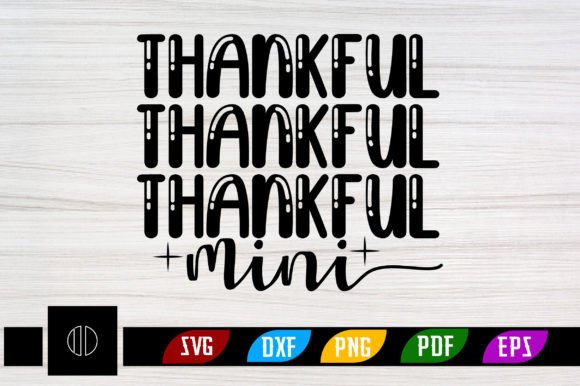
Thankful Mini Retro Svg Design Review
As a designer who spends more time staring at stitch lines and fabric textures than sleeping, I approach every new digital asset with a healthy dose of skepticism. The market is flooded with generic clipart that looks fine on a screen but falls apart under the needle. However, when I first pulled Thankful Mini Retro Svg Design into my workspace, it stopped me in my tracks. It wasn’t just another vector file; it had personality. It had weight. And most importantly for those of us running small businesses or crafting personalized gifts, it looked like it would translate beautifully into a physical product.
I decided to put this design through its paces—not just by looking at the SVG preview, but by imagining how it would behave in real-world embroidery scenarios. Whether you are an Etsy seller looking for your next bestseller, a hobbyist making a holiday gift, or a boutique owner curating seasonal inventory, understanding how a design behaves before you hit "stitch" is crucial. Here is my practical evaluation of Thankful Mini Retro Svg Design and where it fits into your creative workflow.
The First Impression: Mood and Visual Personality
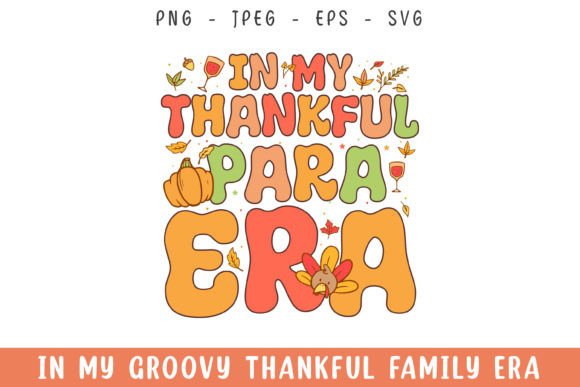
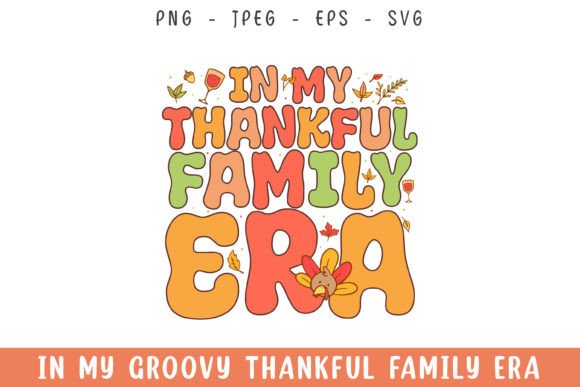
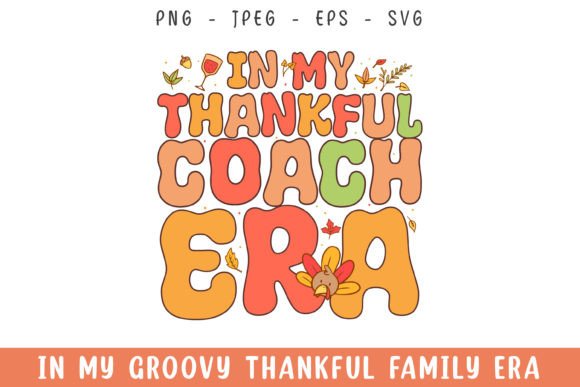
The moment you see Thankful Mini Retro Svg Design, you know exactly what era it is channeling. It isn’t trying to be modern minimalism, nor is it overly ornate baroque. Instead, it captures that warm, nostalgic feeling of mid-century Americana mixed with a cozy, gratitude-focused aesthetic. The typography feels hand-drawn yet structured, which is a delicate balance to strike in any machine embroidery design.
From a layout perspective, the composition is tight and focused. This is not a sprawling landscape piece; it is a compact, impactful graphic. For designers, this is often a blessing. A contained design means fewer potential points of failure during stitching. The visual weight is centered, allowing it to sit comfortably on chest areas, tote bags, or kitchen towels without feeling top-heavy or off-balance. It screams "handmade product" because it has that slight imperfection of human creation baked into its digital form, even though it is a crisp vector file.
Real-World Application: Where This Design Shines
I have been thinking about how to use Thankful Mini Retro Svg Design across various categories, and it naturally gravitates toward projects that require warmth and approachability. Let’s look at some specific use cases.
- Custom Apparel and Sweatshirt Embroidery: This design is perfect for fall and winter collections. Imagine it stitched onto a cream-colored heather sweatshirt. The retro vibe pairs exceptionally well with soft, brushed fabrics. It adds a layer of comfort and sentimentality that customers love, especially for personalized gift orders around Thanksgiving or autumn birthdays.
- Tote Bag Design: Canvas totes are a staple for the craft business. Because the design is relatively compact, it works beautifully as a focal point on a canvas bag. It doesn’t need to cover the entire surface to make an impact. When paired with sturdy thread colors, it creates a durable embroidered patch-like effect that can withstand daily use.
- Baby Embroidery and Nursery Decor: The gentle curves and friendly font make this suitable for baby onesies or nursery wall hangings. Parents are always looking for items that feel timeless rather than trendy, and the retro aesthetic offers that longevity. It serves as a lovely holiday embroidery piece for Christmas stockings or New Year gifts.
- Kitchen Towels and Aprons: Gratitude is a theme that belongs in the kitchen. Stitching this onto flour sack towels or cotton aprons adds a touch of charm to home goods. It elevates a simple utility item into a thoughtful present for housewarmings or weddings.
Technical Considerations and Potential Pitfalls
No design is perfect for every situation, and being honest about limitations is part of professional design judgment. While Thankful Mini Retro Svg Design is strong, there are specific areas where you need to exercise caution.
First, consider the hoop size. If you attempt to scale this design down too much, you risk losing the integrity of the letterforms. Tiny lettering in embroidery is notoriously difficult to read, especially if the stitch density is high. Always test the smallest version of the design you intend to sell or use. If the letters merge together or lose their distinct shapes, it is too small for practical application.
Fabric choice is equally critical. This design relies on clear contrast between the thread and the background. On dark fabric, you will need a heavy-duty backing or cut-away stabilizer to prevent the stitches from pulling the fabric and distorting the shape. Conversely, on thin or stretchy fabrics like jersey knits, the tension must be carefully adjusted. Without proper stabilization, the satin stitch edges might pucker, ruining the clean look of the retro font.
Also, think about the thread colors. The retro style often benefits from muted, earthy tones—mustard yellows, burnt oranges, olive greens, or dusty pinks. Bright neon threads might clash with the vintage mood. I recommend creating a few printable mockup variations in black and white first to check the contrast levels before committing to expensive specialty threads.
Stitch Density and Detail Level
One of the strongest aspects of this file is its manageable detail level. It avoids excessive tiny details that can lead to thread breaks or messy underlay stitches. However, if the design includes decorative accents or intricate fill patterns, you must ensure your machine handles the stitch density appropriately. Dense fill stitches can make a garment stiff and uncomfortable, particularly on custom apparel meant for everyday wear. If the design feels too heavy, consider reducing the density or using a lighter underlay technique.
Commercial Viability and Brand Consistency
For the Etsy seller or small shop product creator, the question is always: "Will this sell?" The answer is likely yes, provided it is marketed correctly. The theme of gratitude is evergreen, but it spikes significantly during Q4. By having Thankful Mini Retro Svg Design ready in your library, you can quickly produce commercial embroidery items for holiday markets.
This design also supports brand consistency. If your shop has a rustic, farmhouse, or vintage-inspired aesthetic, this file aligns perfectly. It helps create a cohesive look across your design assets, whether you are selling digital downloads or finished physical goods. Customers trust brands that maintain a consistent visual language, and this design contributes to that professionalism.
Final Designer Notes Before You Stitch
Before you upload Thankful Mini Retro Svg Design to your embroidery machine or send it to production, follow these practical steps:
- Test on Scrap Fabric: Never assume a design will work perfectly on your final material. Run a test stitch on the same fabric type and color you plan to use.
- Check File Compatibility: Ensure you have the correct file format. The purchase includes an SVG for cutting machines and a DXF for Silhouette users, but verify if your embroidery software requires a PES, DST, or JEF conversion.
- Review Licensing: If you plan to sell finished products, double-check the commercial use rights included in your download. Some digital files allow personal use only, while others permit limited commercial sales.
- Inspect Small Details: Zoom in on the digital file. Are there any stray anchor points or unnecessary nodes that could cause stitching errors?
- Consider the End User: Will the recipient wash the item frequently? If so, ensure the thread quality is high enough to withstand multiple cycles without fading or fraying.
In conclusion, Thankful Mini Retro Svg Design is a versatile, emotionally resonant asset that brings a lot of value to both personal projects and commercial ventures. It balances nostalgia with clarity, making it a smart addition to any designer’s toolkit. Just remember to respect the technical limits of embroidery, choose your materials wisely, and let the design’s inherent charm do the talking.