Nina Retro Svg Design Review
As a designer who spends more time than I care to admit staring at stitch lines and debating thread color palettes, I don’t just buy designs because they look pretty in a thumbnail. I buy them because they translate well from the screen to the fabric. When Nina Retro Svg Design landed on my desk for evaluation, I immediately thought about where it would live in a real-world craft business context. Is this a quick hook for an Etsy listing? Is it a staple for a boutique brand? Or is it just another clipart file that will frustrate your embroidery machine?
After testing the visual weight, the stylistic nuances, and the potential applications, here is my practical breakdown of how this design holds up when you are preparing custom apparel, handmade products, or digital assets.
The First Impression: Mood and Visual Personality
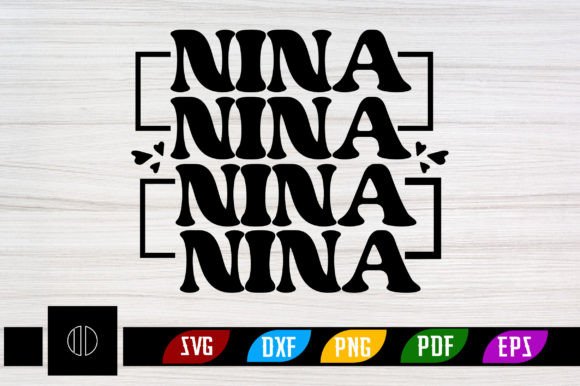
The moment you open the file, the aesthetic speaks loudly. The retro vibe isn’t subtle; it’s intentional. It evokes a sense of nostalgia that resonates deeply with current trends in handmade goods. Whether you are aiming for a 70s bohemian feel or a playful mid-century modern look, the shape and layout of Nina Retro Svg Design provide a strong foundation. It doesn’t rely on complex, overwhelming details that might get lost in the stitching process. Instead, it leans into clean lines and recognizable forms.
This clarity is crucial for any machine embroidery design. When a customer buys a personalized gift or a piece of custom apparel, they want the design to be instantly readable. If the eye has to work too hard to decipher the motif, the perceived value drops. This design strikes a balance between decorative flair and structural simplicity. It feels confident, which translates to a professional finish on the final product. For Etsy sellers and small shop owners, this kind of clear visual communication is exactly what drives engagement and reduces return rates due to "not as described" complaints.
Real-World Application: Where Does It Shine?
I like to test designs by imagining specific projects before I even load the stabilizer. Here is where Nina Retro Svg Design naturally fits into a creator’s workflow:
- Custom Tote Bags: This is perhaps the most obvious use case. A retro graphic on a canvas tote bag screams "boutique branding." Because the design likely features bold shapes, it will pop against natural cotton or denim backgrounds. It works exceptionally well as a standalone focal point on the front panel.
- Sweatshirt Embroidery: As cold-weather gear becomes a year-round staple, sweatshirt embroidery remains a high-demand niche. The retro theme pairs perfectly with heather gray or muted earth tones. It adds personality without looking childish, making it suitable for both teenagers and adults.
- Baby Embroidery and Nursery Decor: Don’t overlook the nursery market. Soft retro motifs can serve as charming accents on baby onesies, burp cloths, or quilted pillow covers. The key here is pairing it with soft, pastel thread colors to soften the retro edge and make it gender-neutral or soothing.
- Holiday Embroidery: Depending on the specific elements within the retro style (such as stars, geometric patterns, or seasonal shapes), this design could easily be adapted for holiday gifts. Think Christmas stockings or New Year’s Eve party favors. Its versatile aesthetic allows it to fit into various seasonal narratives.
- Embroidered Patches: If the design has a defined border or enough negative space, it can be digitized or used as a base for an embroidered patch. These are fantastic upsell items for craft business owners selling to uniform shops or fashion brands.
Technical Considerations and Stitching Reality
A beautiful vector doesn’t always equal a smooth stitch-out. Here is what you need to watch out for when working with Nina Retro Svg Design.
Stitch Density and Detail
Retro designs often rely on solid blocks of color or thick lines. You need to check the stitch density carefully. If the design includes large areas meant to be filled, ensure your machine can handle the thickness without puckering the fabric. Conversely, if there are tiny details or thin lines, you must verify that they are large enough to be stitched clearly. Tiny satin stitch lines can sometimes merge together, creating a muddy blob rather than a crisp image. Always review the design in black and white mockups to see how the contrast holds up.
Fabric Selection
The choice of fabric texture will dictate the success of this project. Smooth fabrics like cotton twill or polyester blends tend to render sharp lines best. However, if you are working with highly textured fabrics like chunky knits or bouclé, fine details may disappear. In those cases, this design might need to be scaled up significantly to maintain its impact. Also, be cautious with stretchy fabrics; without proper stabilization, the retro geometry might warp during the hooping process.
Thread Colors and Contrast
Color is everything in embroidery. A retro design often relies on specific color blocking to feel authentic. Test your thread colors against your chosen fabric. High contrast usually yields the best results for commercial products. For example, a dark navy design on a cream background will look far more professional than a similar tone on a similar tone. Pay attention to how the fill stitch interacts with the fabric weave; some threads have a sheen that can change the mood of the entire piece.
Where to Use It Carefully
While Nina Retro Svg Design is versatile, it is not a magic bullet for every scenario. There are situations where you should pause and reconsider:
- Small Hoop Sizes: If you are trying to squeeze this design into a very small hoop, you risk losing critical details. Ensure the design scales down cleanly without becoming pixelated or indistinguishable.
- Curved Surfaces: Applying this to caps or hats requires careful planning. While the retro style is forgiving, extreme curvature can distort straight lines. You may need to adjust the digitizing to account for the curve of the hat crown.
- Dense Stitch Areas: Avoid placing dense fill stitches directly next to delicate running stitches unless you are using a high-quality stabilizer. The tension differences can cause thread breaks or uneven surfaces.
- Frequent Washing: If the finished product is intended for daily wear or heavy use, such as kitchen towels or aprons, consider the durability of the stitch types. Satin stitches can fray over time if not properly anchored. Reinforcing these areas or choosing a more durable stitch pattern might be necessary for long-term customer satisfaction.
Final Verdict for Creators
Ultimately, Nina Retro Svg Design is a strong asset for anyone looking to add a touch of vintage charm to their handmade product line. It offers a level of sophistication that appeals to a broad audience, from hobbyists making personal gifts to commercial embroidery professionals fulfilling bulk orders.
Before you start mass-producing, remember to do your due diligence. Test the design on scrap fabric first. Check the hoop size limitations. Confirm the licensing terms, especially if you plan to sell the finished items or use the digital embroidery file in your own design assets. By taking these practical steps, you ensure that the final product matches the quality of the inspiration.
If you are an Etsy seller or a creative entrepreneur looking to expand your catalog with items that feel timeless yet trendy, this design deserves a spot in your rotation. It bridges the gap between artistic expression and commercial viability, making it a smart investment of your time and resources. Just remember: the best embroidery projects come from thoughtful preparation, not just good files. Treat Nina Retro Svg Design with respect, pair it with quality materials, and you’ll create something your customers will love.