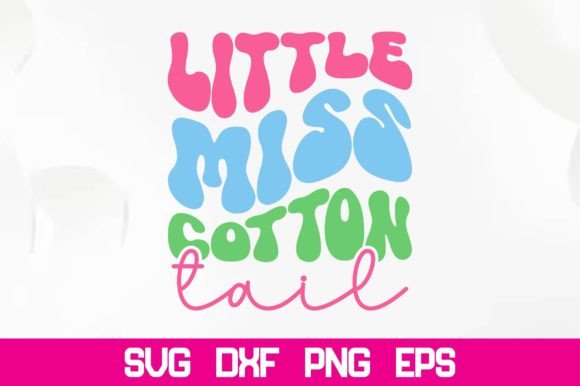
Little Miss Cotton Tail Retro SVG Review
As a designer who spends half my life staring at stitch charts and the other half worrying about client expectations, I approach every new digital asset with a healthy dose of skepticism. We have all seen designs that look charming on screen but turn into a tangled mess of thread once they hit the hoop. That is why I take the time to evaluate these files not just as static images, but as functional tools for real-world production. Today, I am putting Little Miss Cotton Tail Retro SVG through its paces to see if it holds up in actual embroidery projects, from quick personal gifts to high-volume craft fair merchandise.
The first thing you notice when loading this file into your digitizing software or vector editor is the immediate retro vibe. It captures that specific mid-century aesthetic that has been dominating handmade markets for years. The mood is playful yet polished, suggesting a character that is both nostalgic and modern. For an embroidery project like this, the visual personality is crucial because it dictates where the design can live. This isn’t a minimalist line art piece; it has weight and presence. It feels right at home on a chunky knit sweater, a sturdy canvas tote, or a soft baby onesie. The layout suggests it was built with balance in mind, which is often the hardest part to get right when adapting vector graphics into stitched formats.
Real-World Application: From Screen to Stitch
Let’s talk about how this actually performs when we move beyond the digital preview. I recently considered using Little Miss Cotton Tail Retro SVG for a batch of custom embroidered patches intended for a boutique clothing brand. The goal was to create a recognizable logo that could be applied to denim jackets and aprons. Because the source file is provided as an editable EPS and DXF, the initial tracing and conversion process was straightforward. However, the true test lies in the execution.
In scenarios involving custom apparel, such as sweatshirts or heavy cotton t-shirts, this design shines. The retro theme pairs exceptionally well with textured fabrics, allowing the stitches to catch the light and add dimension. If you are an Etsy seller looking to expand your catalog, this design offers versatility. It works beautifully as a chest-sized accent on a hoodie, a central focal point on a tote bag, or even as a decorative element on a kitchen towel. The "Little Miss" aspect naturally lends itself to baby embroidery collections, making it a strong candidate for nursery decor items like muslin blankets or crib sheets.
For those of us running a craft business, the commercial viability is key. This design has broad appeal without being overly niche. It fits seamlessly into seasonal collections, particularly around holidays or back-to-school seasons. When creating printable mockups for your online store, the clean lines of the vector ensure that your previews look professional and sharp, which directly impacts buyer engagement. Customers trust a listing that looks cohesive, and a well-executed finished product builds that reputation over time.
Where to Exercise Caution
No design is perfect for every surface, and honest review requires pointing out the limitations. While Little Miss Cotton Tail Retro SVG is robust, there are specific situations where you need to be careful. If you are attempting to stitch this onto a curved surface like a baseball cap, pay close attention to the underlay stitches. Curved surfaces can distort straight lines, so you may need to adjust the stabilizer tension or use a specialized cap frame to maintain the integrity of the retro shapes.
Similarly, avoid placing this design on thin or highly stretchy fabrics without proper support. The density of the fill stitches required to achieve that solid retro look can cause puckering if the fabric cannot handle the pull. Always use a reliable stabilizer appropriate for your material. On dark fabrics, thread color contrast becomes critical. A standard white thread might get lost against a black background, whereas a cream or pastel thread might better capture the vintage feel. Test your thread colors before committing to a full run.
Another area to watch is small detail resolution. If you plan to scale this down significantly for a tiny embroidered patch or a delicate accessory, inspect the fine lines closely. Tiny details can merge together during stitching, turning distinct shapes into muddy blobs. If the design includes any text or intricate lettering, verify that the font remains legible after digitization. Dense stitch areas should also be reviewed to ensure they do not overwhelm the garment, especially on lightweight materials.
Technical Considerations for Designers
From a technical standpoint, having access to both vector and editable formats is a significant advantage. The inclusion of an EPS file means you can refine the curves in Adobe Illustrator or Inkscape before converting to an embroidery file. This allows you to optimize the pathing for smoother needle movement and reduced thread breaks. The DXF file provides compatibility with AutoCAD and other engineering-focused software, which is useful if you need precise measurements for large-scale installations or signage.
When preparing this for production, always run a test stitch on scrap fabric that matches your final material. This step is non-negotiable for professional results. Check the stitch density to ensure it is neither too sparse (which looks cheap) nor too dense (which makes the fabric stiff). Inspect the corners of the design to see if they round off too much or remain sharp enough for the intended aesthetic. Using a black-and-white mockup can also help you judge the value contrast without being distracted by color choices.
Furthermore, confirm the licensing terms before selling finished items. While the file is described as ready to use, understanding whether you have commercial rights is essential for protecting your small shop product listings. If you are reselling the digital assets themselves, ensure that the license permits redistribution. Most designers prefer to sell the physical goods created with the design rather than the file itself, so clarity here prevents legal headaches later.
Final Verdict
Little Miss Cotton Tail Retro SVG is a versatile, high-quality asset that brings genuine charm to a variety of handmade products. Its retro aesthetic is timeless, and its structural integrity makes it suitable for everything from personalized gifts to commercial embroidery runs. By paying attention to fabric choice, stabilizer selection, and thread contrast, you can elevate this design into a standout piece that customers will love. Whether you are decorating a tote bag design for a summer market or adding a cute touch to a winter sweatshirt embroidery collection, this file delivers on its promise of style and usability. It is a smart addition to any design assets library for makers who value both aesthetics and practical performance.