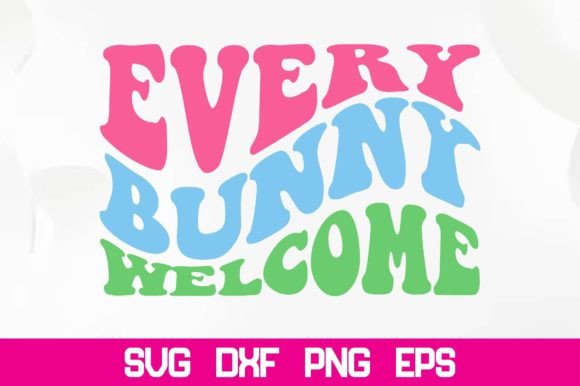
Every Bunny Welcome Retro SVG Review
As a designer who spends more time looking at stitch lines than actual threads, I approach every new digital asset with a healthy dose of skepticism. The market is flooded with vector files that look great on screen but fall apart under the needle. When I pulled up Every Bunny Welcome Retro SVG, I wasn’t just looking for a cute bunny; I was evaluating its viability for real-world application. This file promises to be an editable vector in both EPS and DXF formats, which immediately signals flexibility for those of us working across different software ecosystems like Inkscape, Adobe Illustrator, or cutting plotters like Cricut and Silhouette.
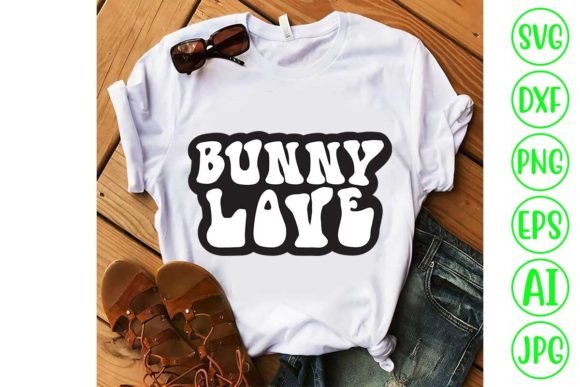
The first impression of this design is one of warm, nostalgic comfort. The "retro" aspect suggests a specific color palette and shape language—likely rounded fonts, muted earth tones, or vintage-inspired typography—that resonates deeply with current trends in handmade goods. For embroidery designers, this mood is crucial. It doesn’t scream for attention; it invites the viewer in. This makes it an excellent candidate for products where emotional connection drives sales, such as nursery decor, personalized baby gifts, or cozy home textiles.
Real-World Application: From Screen to Stitch
I envision this design performing exceptionally well on soft, textured fabrics. Specifically, I see Every Bunny Welcome Retro SVG shining on organic cotton tote bags, heathered sweatshirts, and flannel pillow covers. The retro aesthetic pairs naturally with the tactile nature of these materials. Imagine a custom embroidered patch placed on the front pocket of a denim jacket or stitched onto the cuff of a baby onesie. The clean vector lines provided by the EPS file ensure that the curves of the bunny and the lettering remain crisp, avoiding the jagged edges that often plague poorly digitized raster images.
For small business owners and Etsy sellers, versatility is key. This graphic isn’t limited to just one product type. It works beautifully as a tote bag design for spring markets, where the theme aligns perfectly with seasonal gifting. It also translates seamlessly into sweatshirt embroidery for autumn or winter collections, offering a cozy, welcoming vibe. If you are a maker focusing on personalized gifts, the text component allows for easy customization of names or dates, adding significant value to the final product without requiring complex digitization work.
However, we must consider the medium. While the source file is a high-resolution 300 DPI transparent background, converting this to an embroidery file requires careful consideration of stitch types. The design likely benefits from a combination of satin stitches for outlines and fill stitches for the main body. This ensures that the design holds its shape and provides enough coverage to hide the fabric underneath, which is critical for durability and visual appeal.
Technical Considerations and Potential Pitfalls
No design is perfect for every scenario, and Every Bunny Welcome Retro SVG is no exception. As an experienced reviewer, I need to highlight where caution is required. The primary concern lies in scale and detail. If you attempt to use this design in a very small hoop size, fine details may become muddy or lost entirely. Embroidery machines have limitations on how small a stitch can be before it becomes unstable. Therefore, testing the design at your intended production size is non-negotiable.
Fabric choice plays a massive role in the success of this project. On stretchy knits, even with proper stabilizer, there is a risk of puckering if the stitch density is too high. Similarly, on dark fabrics, thread contrast becomes paramount. A light-colored bunny on a black background might require an underlay stitch or a backing layer to prevent the design from looking transparent or washed out. Conversely, on light fabrics, ensure your thread colors pop against the material’s texture.
Another area requiring scrutiny is the "retro" font style. Often, vintage typography includes thin serifs or intricate swashes. These elements can be challenging to embroider cleanly. They may require a running stitch technique rather than a dense fill, which can look fragile if not executed with high-quality thread. If you plan to sell these items as commercial embroidery pieces, you must verify that the licensing terms allow for commercial use of the finished goods. The description mentions compatibility with various creative tools, but it does not explicitly state commercial rights for the end product, so always double-check the provider’s license agreement.
Designer’s Checklist for Success
To ensure Every Bunny Welcome Retro SVG delivers professional results, follow these practical steps before committing to a full production run:
- Test on Scrap Fabric: Always run a test stitch-out on the exact fabric and stabilizer combination you plan to use. This reveals issues with tension, density, or hooping stability early.
- Check Stitch Density: Review the converted design to ensure the fill stitches aren’t too dense for the fabric weight. Excessive density can cause the design to pucker or break needles.
- Evaluate Thread Colors: Lay out your thread spools next to the design mockup. Does the contrast provide enough visual impact? For a retro vibe, muted or pastel threads often work best to maintain the vintage aesthetic.
- Inspect Small Details: Zoom in on any tiny text or decorative accents. Are they legible when embroidered? If they are too small, consider simplifying the design or increasing the scale.
- Confirm Licensing: Before listing any small shop product or Etsy listing, confirm that you have the right to sell finished items made from this file. This protects your business from legal issues.
- Use Proper Stabilizer: Match your stabilizer to the fabric. Cut-away stabilizers are generally safer for garments and items that will undergo frequent washing, while tear-away may suffice for temporary projects like kitchen towels.
Final Verdict
Every Bunny Welcome Retro SVG is a strong contender for crafters and designers looking to add a touch of warmth and nostalgia to their inventory. Its vector format offers the flexibility needed for both cutting and embroidery applications, making it a valuable asset for digital product sellers and handmade shop owners alike. The retro theme is timeless enough to remain relevant season after season, particularly around holidays and spring events.
While it requires thoughtful execution regarding stitch density, fabric choice, and scaling, the potential reward is high. A well-executed version of this design can elevate a simple embroidered patch or apron into a premium handmade product that customers trust and love. By paying attention to the technical details and respecting the limitations of the medium, you can turn this digital asset into a profitable and beautiful physical reality.
For those in the crafts and graphics space, this file represents a smart investment if used correctly. It bridges the gap between digital convenience and tangible craftsmanship, allowing you to create meaningful personalized gifts and custom apparel with ease. Just remember: the quality of the final output depends largely on the care you take during the preparation and stitching process. Test thoroughly, choose your materials wisely, and let the design’s inherent charm do the rest.